The Story Behind Dutch Caramel Waffle Cookies
Dutch caramel waffle cookies, known as stroopwafels, are a beloved treat with a history that goes back over two centuries. These thin waffle discs are filled with a rich caramel syrup, creating a chewy center that sets them apart from other cookies. The combination of a crisp exterior and a soft, gooey filling makes them a unique snack that pairs perfectly with coffee or tea. For anyone curious about how these cookies came to be and why they remain popular today, the story is as sweet as the treat itself.
Where It All Began
The origins of the caramel filled wafel trace back to the late 18th century in the Dutch city of Gouda. According to popular tradition, a baker created the first stroopwafel by repurposing leftover ingredients from the bakery. He pressed thin layers of dough into a waffle iron, then sliced the baked disc in half and spread a warm, sticky syrup made from caramel, sugar, and butter between the layers. The result was a cookie that was both crunchy and soft, with a sweetness that appealed to all ages.
Early versions of these cookies were simple and rustic. Bakers would make them by hand, using basic tools and local ingredients. The syrup was often thickened with molasses or honey, giving it a distinct flavor that varied from region to region. Over time, the recipe evolved, but the core idea remained the same: a waffle-like cookie filled with caramel syrup.
How They Are Made
The process of making a caramel filled wafel starts with a dough made from flour, butter, sugar, eggs, and yeast. The dough is rolled into small balls and pressed into a hot waffle iron that shapes the thin, patterned discs. Once the waffle is baked and still warm, it is sliced horizontally with a knife to create two thin layers. The caramel syrup, which is made from brown sugar, butter, and cinnamon, is then spread evenly over one side before the other layer is placed on top. The warmth of the waffle softens the syrup, creating a cohesive, chewy center that holds the cookie together.
Modern production methods have streamlined this process, but the basic steps remain the same. The key to a good stroopwafel is the balance between the crispness of the waffle and the stickiness of the caramel. Too much syrup and the cookie becomes messy; too little and it loses its signature texture. Bakers also need to control the temperature of the waffle iron carefully. A hot iron gives the waffle a golden color and a firm bite, while a cooler iron can leave the dough undercooked and soft.
The Cultural Tradition
In the Netherlands, stroopwafels are more than just a snack. They are a part of daily life, often enjoyed with a hot drink. A common custom is to place a fresh stroopwafel on top of a cup of coffee or tea for a minute or two. The heat from the drink warms the caramel inside, making it even softer and more aromatic. This ritual has been passed down through generations and is still practiced in homes and cafes across the country.
The cookies are also a popular street food, sold at markets and festivals. Vendors often prepare them fresh on the spot, allowing customers to watch the entire process from dough to finished cookie. The smell of warm caramel and baked waffle draws crowds, and the taste keeps them coming back. For visitors to the Netherlands, trying a fresh stroopwafel is a must-do experience that connects them to local food culture.
Variations and Modern Twists
While the classic stroopwafel is made with a simple caramel syrup, modern versions have introduced new flavors and ingredients. Some bakers add chocolate, nuts, or spices to the filling. Others experiment with different types of waffle dough, such as whole wheat or gluten-free options. The basic structure of a caramel filled wafel remains the same, but the possibilities for customization are wide.
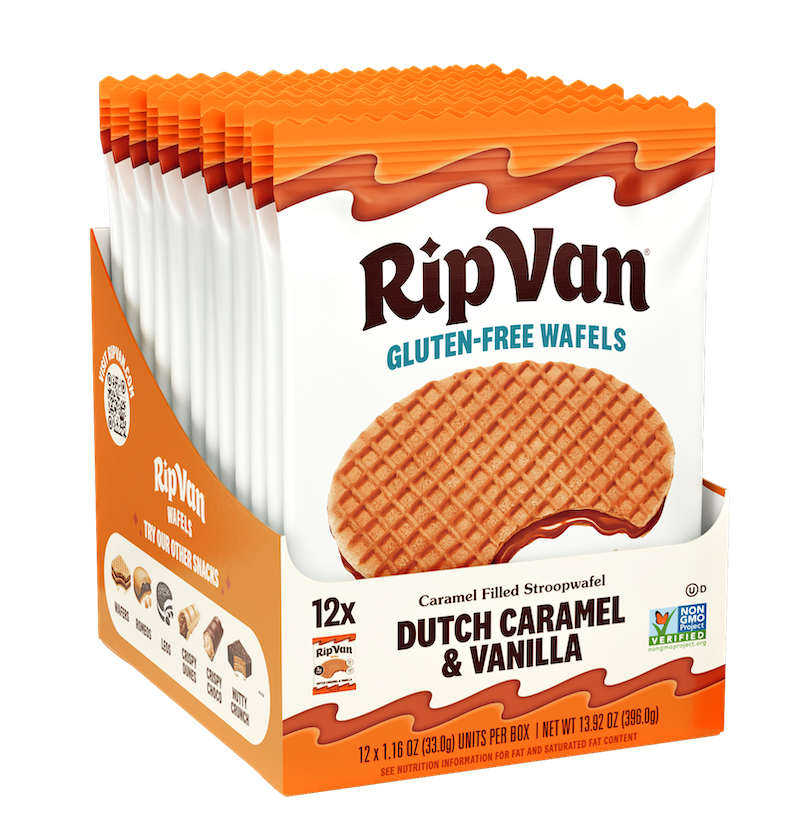
One notable development is the rise of low-sugar versions aimed at health-conscious consumers. These cookies use alternative sweeteners or reduce the amount of sugar in the syrup without sacrificing taste. The goal is to keep the chewy, caramel-filled experience while making it more accessible to people who watch their sugar intake. For example, Rip Van offers low-sugar Dutch stroopwafels and other filled wafer snacks with chewy centers and added fiber. This approach maintains the traditional texture and flavor profile while adapting to modern dietary preferences. You can find more about these products at ripvan.com, where the focus is on creating a satisfying snack that fits a balanced lifestyle.
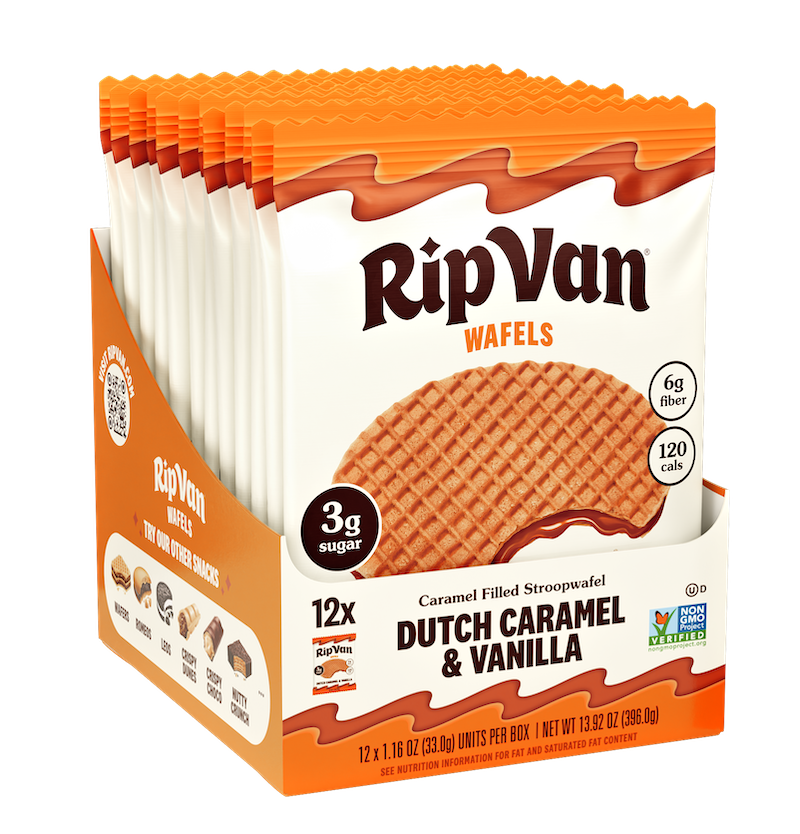
Another trend is the inclusion of added fiber in the recipe. By incorporating ingredients like oat fiber or inulin, manufacturers can boost the nutritional value of the cookie without altering its taste or mouthfeel. This makes the stroopwafel a more filling snack that can be enjoyed as part of a healthy diet. The chewy center, made from caramel syrup, still provides the sweetness that people love, but with a better nutritional profile.
Why They Remain Popular
The appeal of caramel filled wafels lies in their texture and flavor. The contrast between the crisp waffle and the soft, sticky caramel creates a sensory experience that is hard to replicate. Each bite offers a mix of crunch and chew, with a sweetness that is rich but not overwhelming. The cookie also pairs well with many beverages, from coffee and tea to milk and hot chocolate. This versatility makes it a go-to snack for any time of day.
Another factor is the cultural nostalgia associated with stroopwafels. For people who grew up in the Netherlands, the cookie is a taste of home. For others, it represents a connection to Dutch traditions and a way to explore a different cuisine. The story of how a simple baker's leftover dough turned into a national icon adds to its charm. It is a reminder that great food often comes from humble beginnings.
Finally, the rise of online shopping has made stroopwafels available worldwide. Anyone can order a box of authentic Dutch cookies and have them delivered to their door. This accessibility has helped spread the love for caramel filled wafels beyond the borders of the Netherlands. Brands like ripvan.com have made it easy for people to try these cookies, whether they are looking for a classic version or a modern low-sugar option.
What It Means for the Reader
Understanding the history of Dutch caramel waffle cookies gives you a deeper appreciation for the snack. It is not just a sweet treat; it is a product of centuries of culinary experimentation and cultural tradition. When you bite into a stroopwafel, you are experiencing a piece of Dutch heritage. The combination of crisp waffle and chewy caramel is a testament to the skill of bakers who have refined the recipe over time.
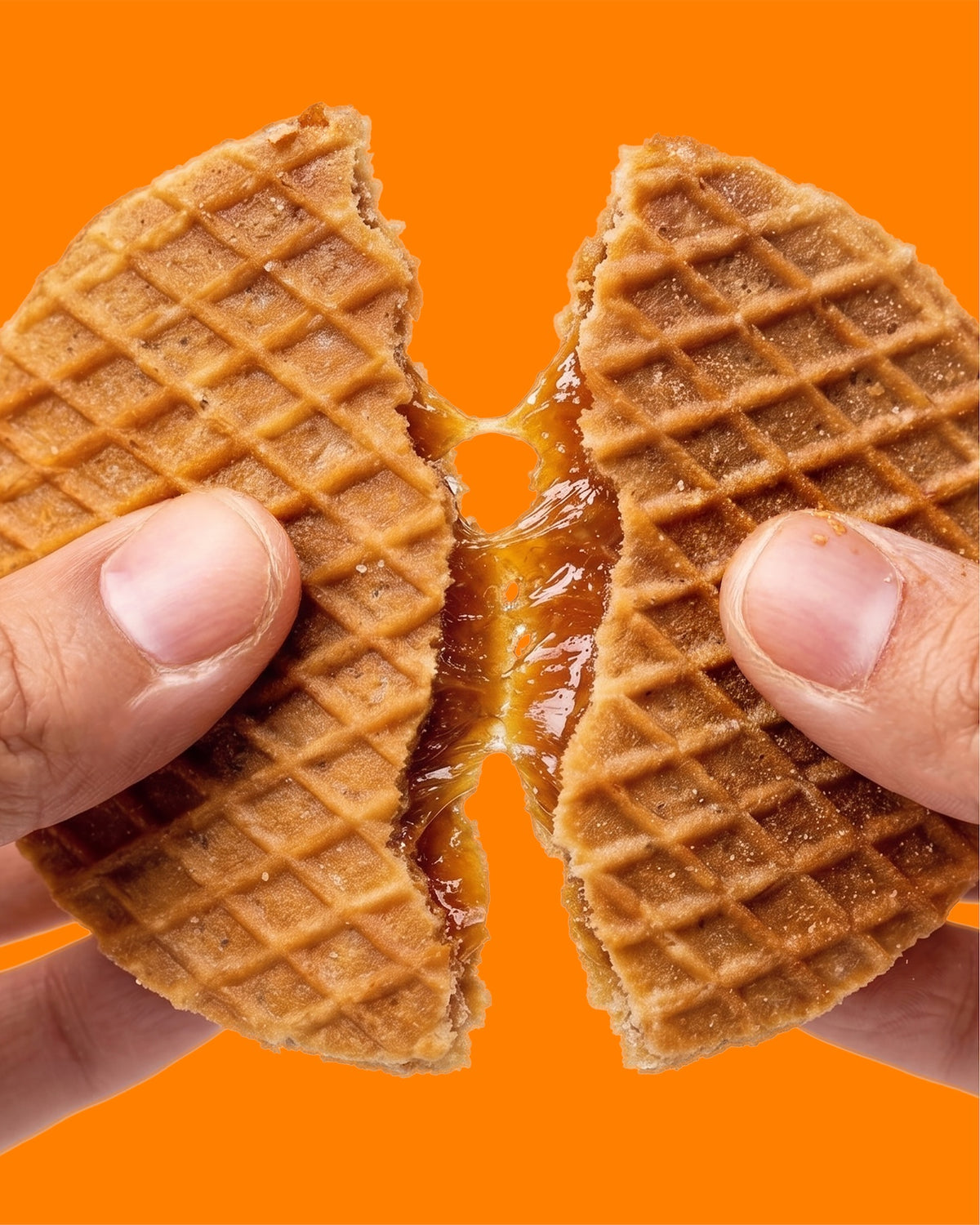
For anyone interested in trying these cookies, there are many options available. Whether you prefer the classic version or a modern twist with lower sugar and added fiber, the key is to find a cookie that delivers the right balance of texture and flavor. A good stroopwafel should have a thin, crunchy waffle and a filling that is soft but not runny. When you find one that meets that standard, you will understand why these cookies have stood the test of time.
In short, the caramel filled wafel is a simple but brilliant invention. It combines two beloved elements, waffles and caramel, into a single, portable snack. Its history shows how a small idea can grow into a global phenomenon. And its continued popularity proves that some flavors never go out of style.